

Peptide Blends
Compare premixed research peptides by their labeled components, vial size, and published COA record.
For in-vitro laboratory research only. Not for human or veterinary use.
Showing all 4 resultsSorted by popularity
-
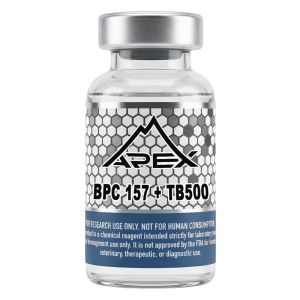
BPC-157 + TB-500 Blend
Price range: $42.00 through $65.00 This product has multiple variants. The options may be chosen on the product page
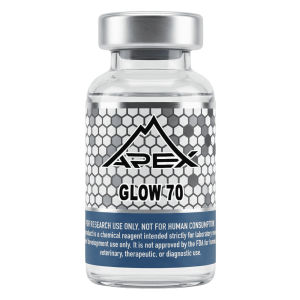
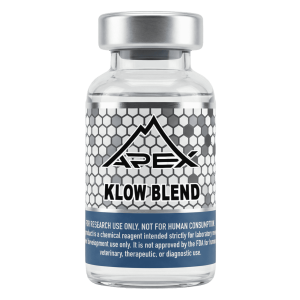
FORMULATION AT A GLANCE
Compare the labeled compositions
Start with the component amounts, then open the product's COA record for its reported analytical results. Prices and availability appear in the product cards above.
| Research blend | Labeled total | Labeled components | Documentation |
|---|---|---|---|
| GLOW BlendThree components in one vial. | 70 mg |
|
View COA record |
| KLOW BlendGLOW's labeled components plus 10 mg KPV. | 80 mg |
|
View COA record |
| BPC-157 + TB-500Equal labeled mass of the two components. | 10 mg or 20 mg |
|
View COA record |
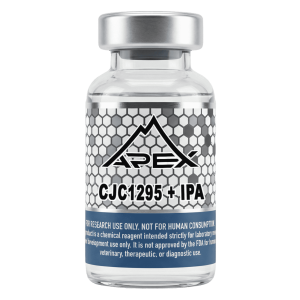
| CJC-1295 No DAC + IpamorelinThe No DAC form; not CJC-1295 with DAC. | 10 mg |
|
View COA record |
Match the exact identities
TB-500 in these formulations is identified as a thymosin β4 fragment; a full-length thymosin β4 specification is different. CJC-1295 No DAC and CJC-1295 with DAC are also distinct specifications. Match the product and report to the identity your laboratory protocol requires.
Keep composition and results separate
A blend total is the sum of its labeled component amounts. Equal mass does not mean equal numbers of molecules. A purity percentage does not, by itself, establish each component's quantity or biological activity. Review the individual results and method scope in the report.
Check the report's coverage
Read the issuer, product configuration, lot identifier, and issue date together. Apex Laboratory issues the published COA records. A published record does not itself establish which lot is being shipped; confirm the applicable lot when your procurement specification requires it.