Batch documentation
Certificate of analysis
Apex Laboratory results for the listed configurations. Match the lot on your label with the report.
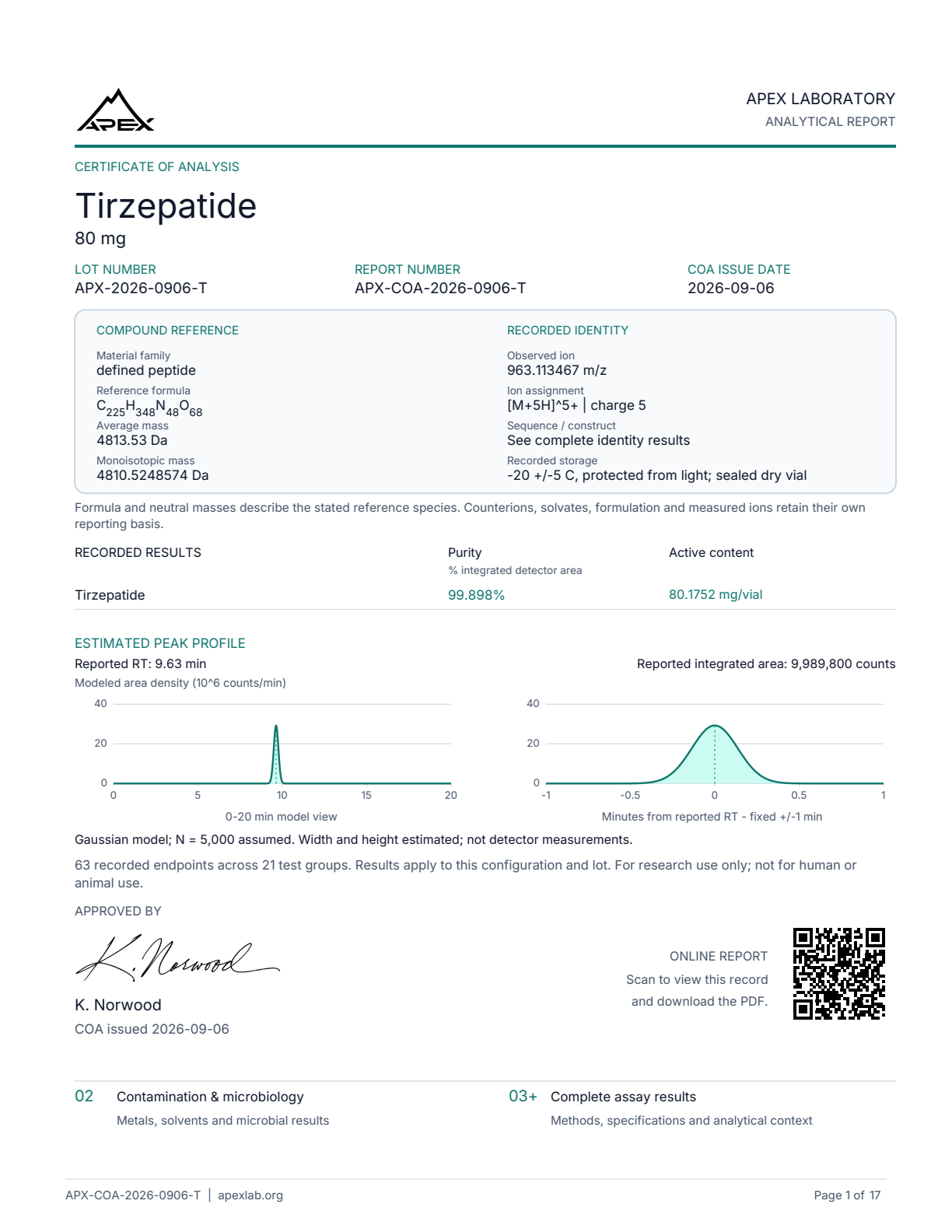
Tirzepatide - 80 mg
- Tirzepatide chromatographic purity
- 99.898 % integrated detector area
- Tirzepatide active content
- 80.1752 mg/vial
- GIPR relative potency
- 100.05 % reference response potency
- GLP1R relative potency
- 100.08 % reference response potency
Chromatographic purity by analyte

About this graph
Recorded scalar results against the stated specification. Each row uses its own labeled scale; purity is detector-area purity, not active-material content.
Measured active content

About this graph
Calibrated active content, concentration or activity compared with the stated same-unit specification. Each row uses its own labeled scale; no conversion from chromatographic purity is made.
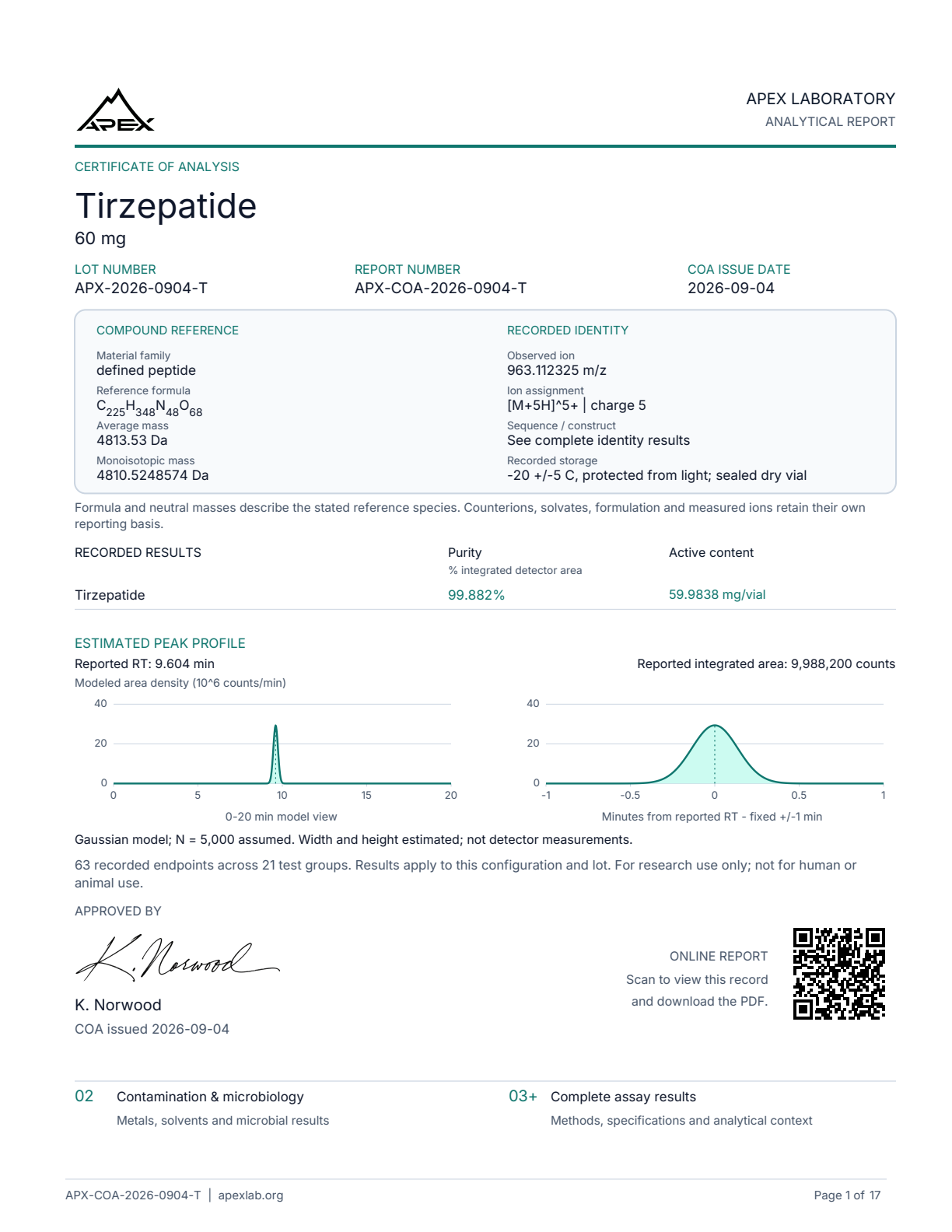
Tirzepatide - 60 mg
- Tirzepatide chromatographic purity
- 99.882 % integrated detector area
- Tirzepatide active content
- 59.9838 mg/vial
- GIPR relative potency
- 100.05 % reference response potency
- GLP1R relative potency
- 100.08 % reference response potency
Chromatographic purity by analyte

About this graph
Recorded scalar results against the stated specification. Each row uses its own labeled scale; purity is detector-area purity, not active-material content.
Measured active content

About this graph
Calibrated active content, concentration or activity compared with the stated same-unit specification. Each row uses its own labeled scale; no conversion from chromatographic purity is made.
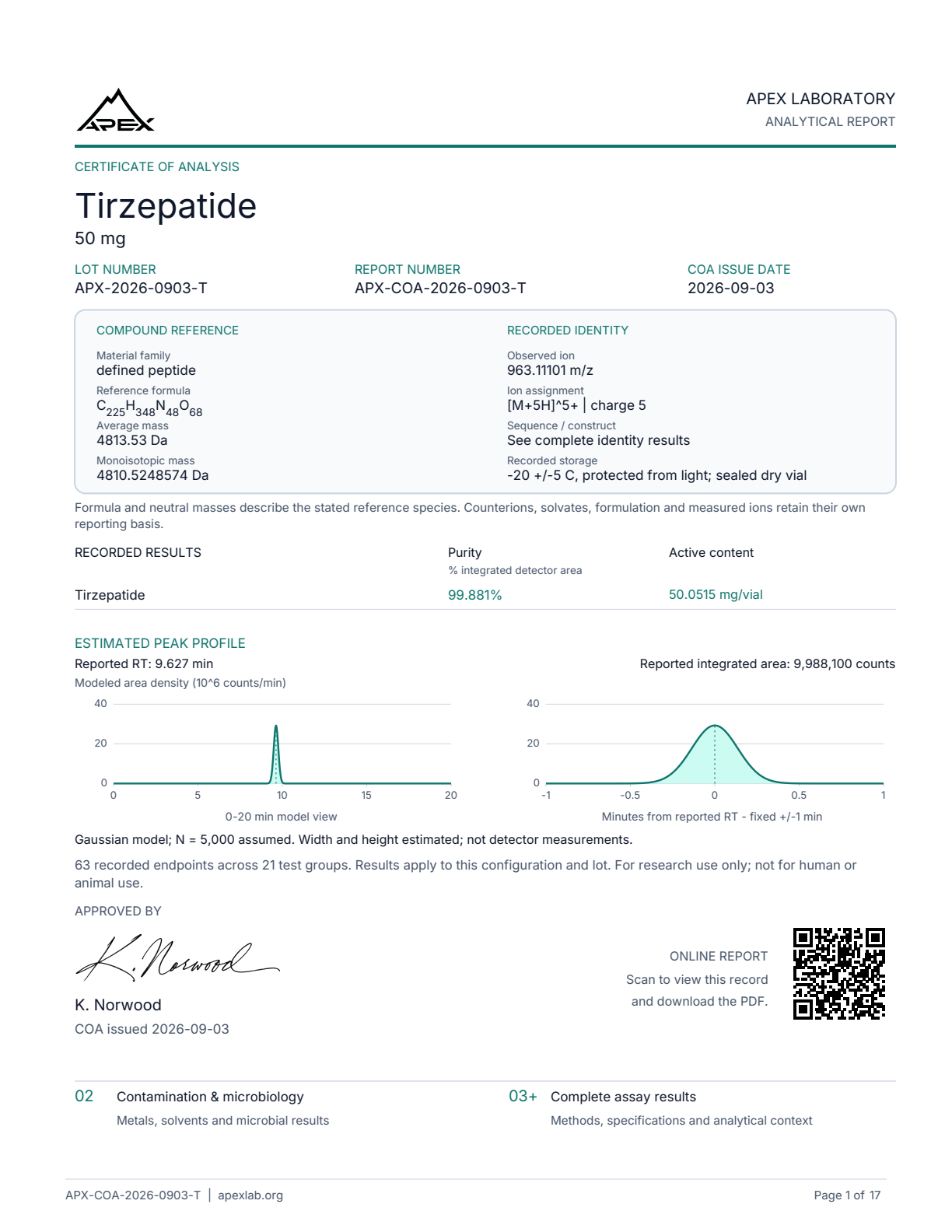
Tirzepatide - 50 mg
- Tirzepatide chromatographic purity
- 99.881 % integrated detector area
- Tirzepatide active content
- 50.0515 mg/vial
- GIPR relative potency
- 100.05 % reference response potency
- GLP1R relative potency
- 100.08 % reference response potency
Chromatographic purity by analyte

About this graph
Recorded scalar results against the stated specification. Each row uses its own labeled scale; purity is detector-area purity, not active-material content.
Measured active content

About this graph
Calibrated active content, concentration or activity compared with the stated same-unit specification. Each row uses its own labeled scale; no conversion from chromatographic purity is made.
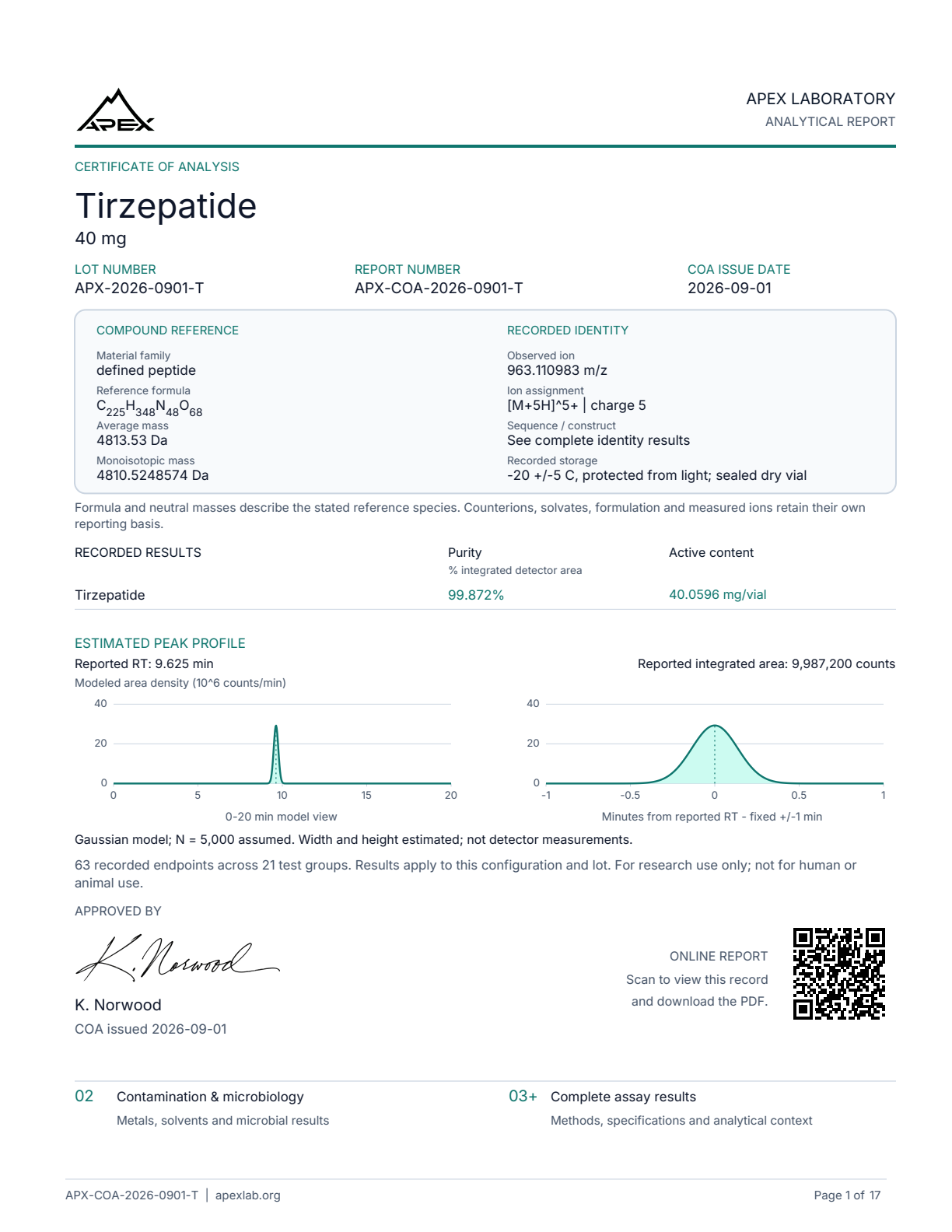
Tirzepatide - 40 mg
- Tirzepatide chromatographic purity
- 99.872 % integrated detector area
- Tirzepatide active content
- 40.0596 mg/vial
- GIPR relative potency
- 100.05 % reference response potency
- GLP1R relative potency
- 100.08 % reference response potency
Chromatographic purity by analyte

About this graph
Recorded scalar results against the stated specification. Each row uses its own labeled scale; purity is detector-area purity, not active-material content.
Measured active content

About this graph
Calibrated active content, concentration or activity compared with the stated same-unit specification. Each row uses its own labeled scale; no conversion from chromatographic purity is made.
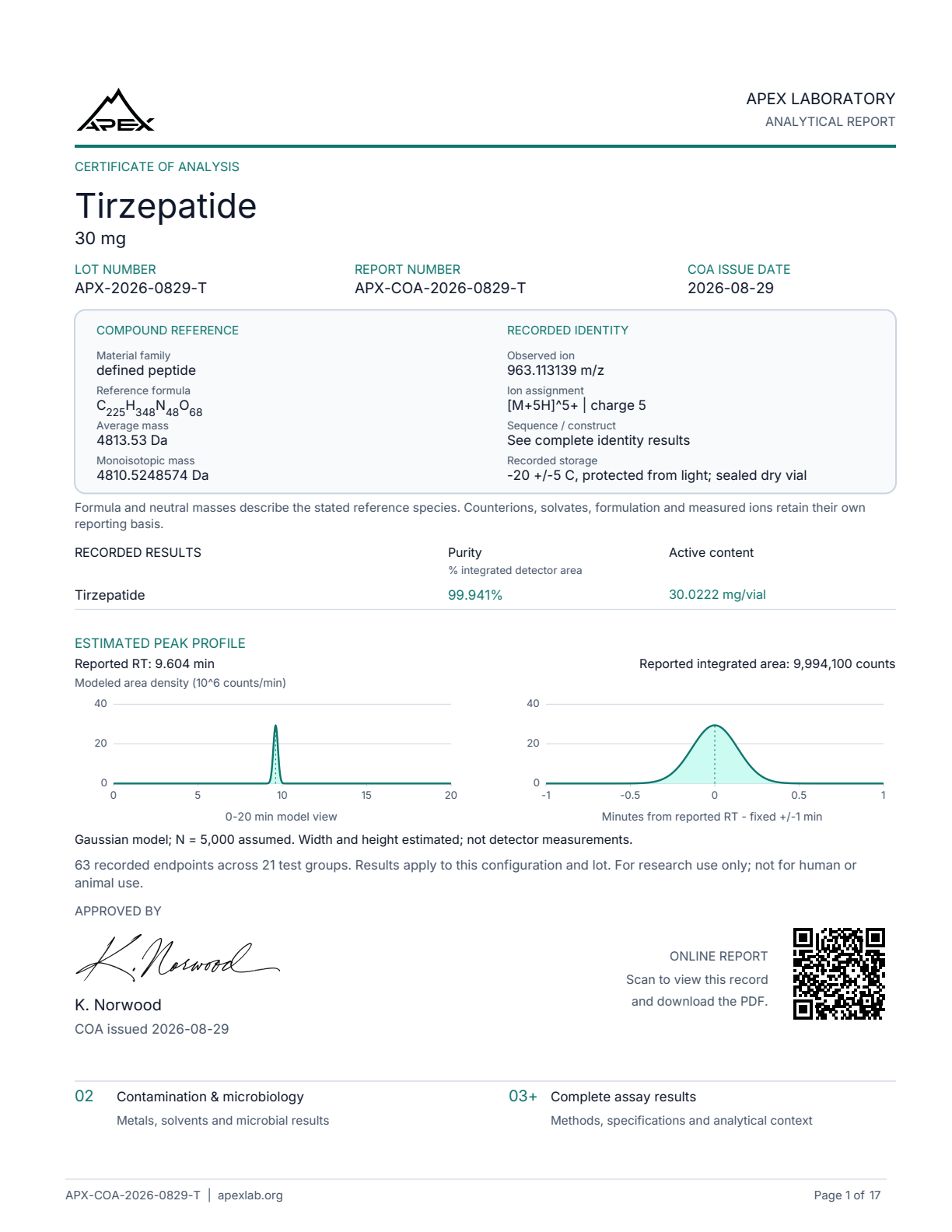
Tirzepatide - 30 mg
- Tirzepatide chromatographic purity
- 99.941 % integrated detector area
- Tirzepatide active content
- 30.0222 mg/vial
- GIPR relative potency
- 100.05 % reference response potency
- GLP1R relative potency
- 100.08 % reference response potency
Chromatographic purity by analyte

About this graph
Recorded scalar results against the stated specification. Each row uses its own labeled scale; purity is detector-area purity, not active-material content.
Measured active content

About this graph
Calibrated active content, concentration or activity compared with the stated same-unit specification. Each row uses its own labeled scale; no conversion from chromatographic purity is made.
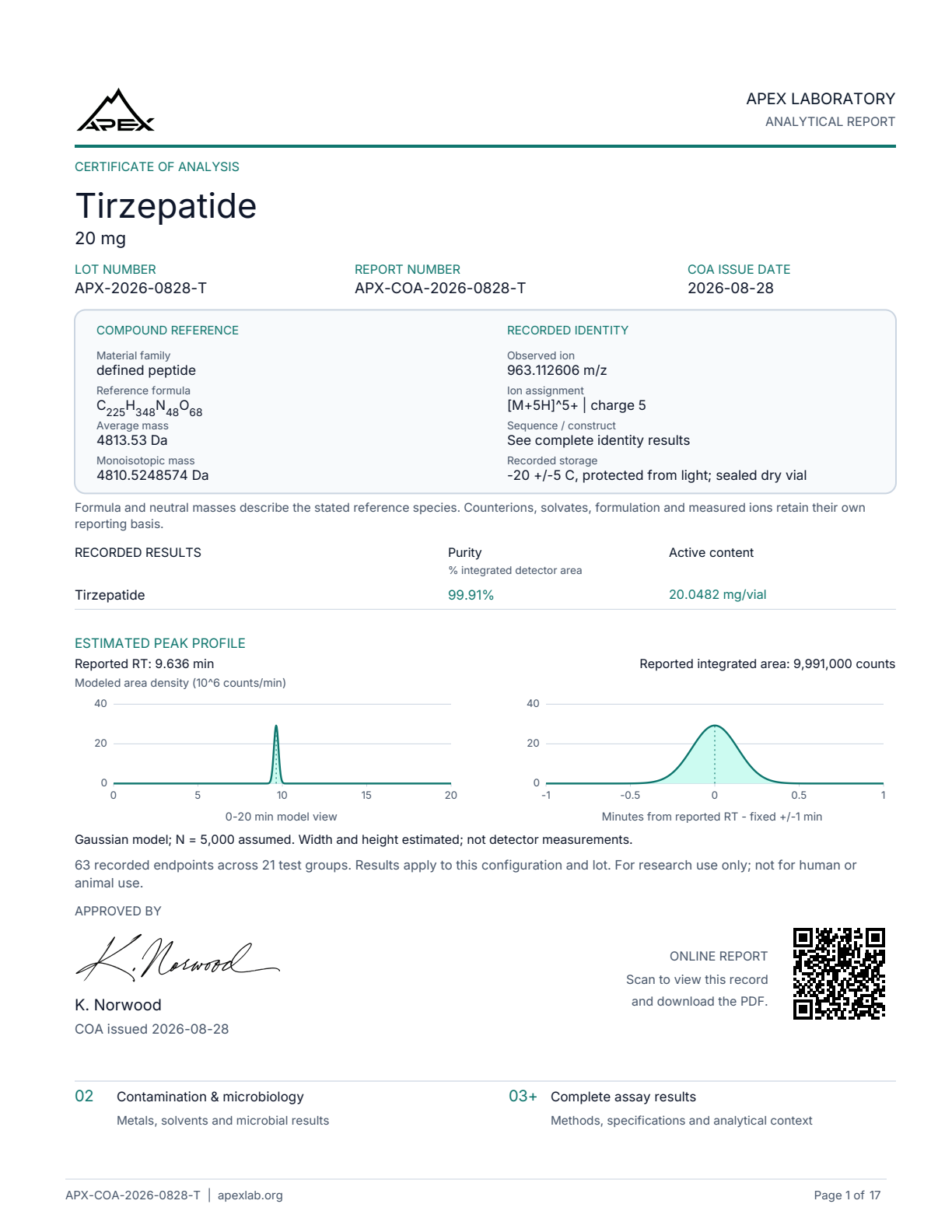
Tirzepatide - 20 mg
- Tirzepatide chromatographic purity
- 99.91 % integrated detector area
- Tirzepatide active content
- 20.0482 mg/vial
- GIPR relative potency
- 100.05 % reference response potency
- GLP1R relative potency
- 100.08 % reference response potency
Chromatographic purity by analyte

About this graph
Recorded scalar results against the stated specification. Each row uses its own labeled scale; purity is detector-area purity, not active-material content.
Measured active content

About this graph
Calibrated active content, concentration or activity compared with the stated same-unit specification. Each row uses its own labeled scale; no conversion from chromatographic purity is made.
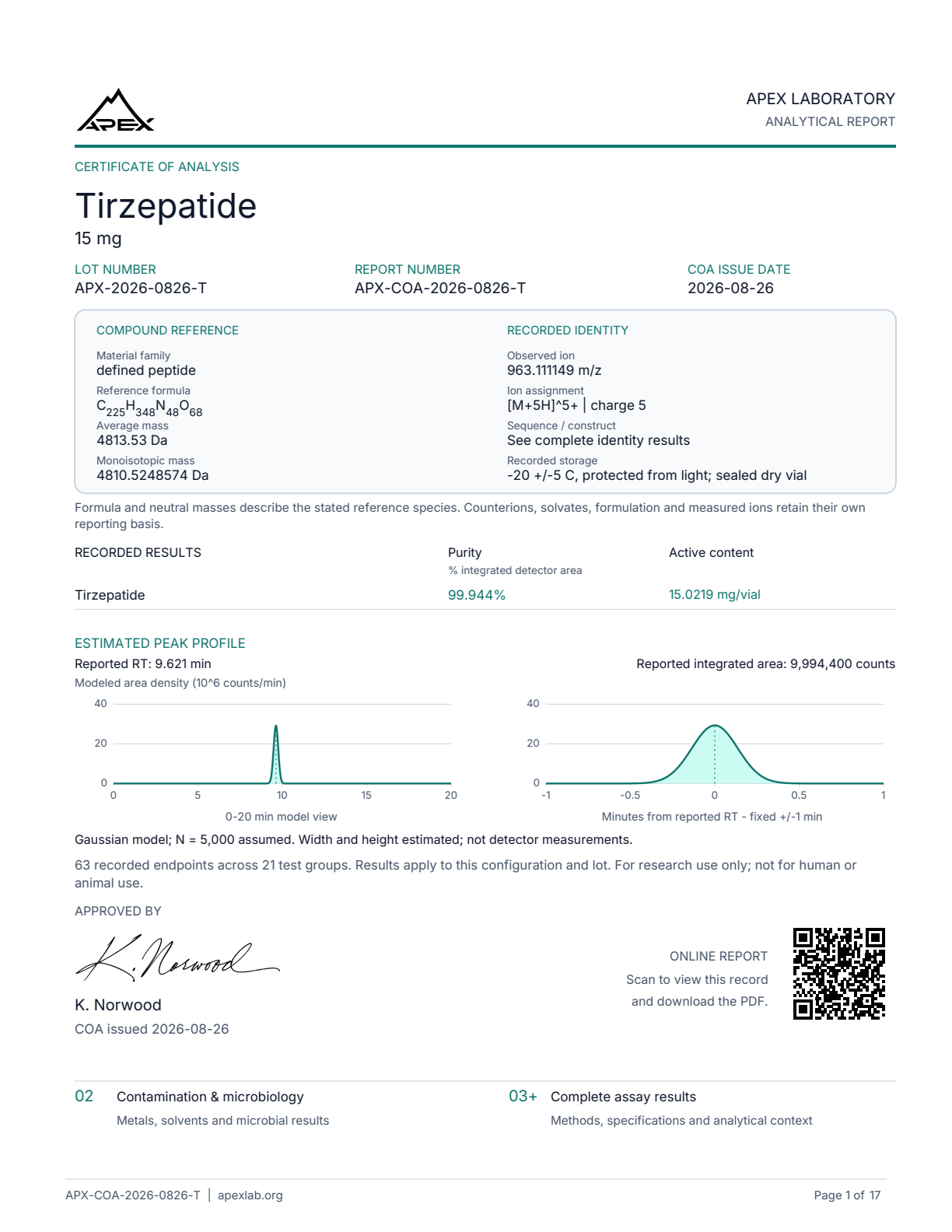
Tirzepatide - 15 mg
- Tirzepatide chromatographic purity
- 99.944 % integrated detector area
- Tirzepatide active content
- 15.0219 mg/vial
- GIPR relative potency
- 100.05 % reference response potency
- GLP1R relative potency
- 100.08 % reference response potency
Chromatographic purity by analyte

About this graph
Recorded scalar results against the stated specification. Each row uses its own labeled scale; purity is detector-area purity, not active-material content.
Measured active content

About this graph
Calibrated active content, concentration or activity compared with the stated same-unit specification. Each row uses its own labeled scale; no conversion from chromatographic purity is made.
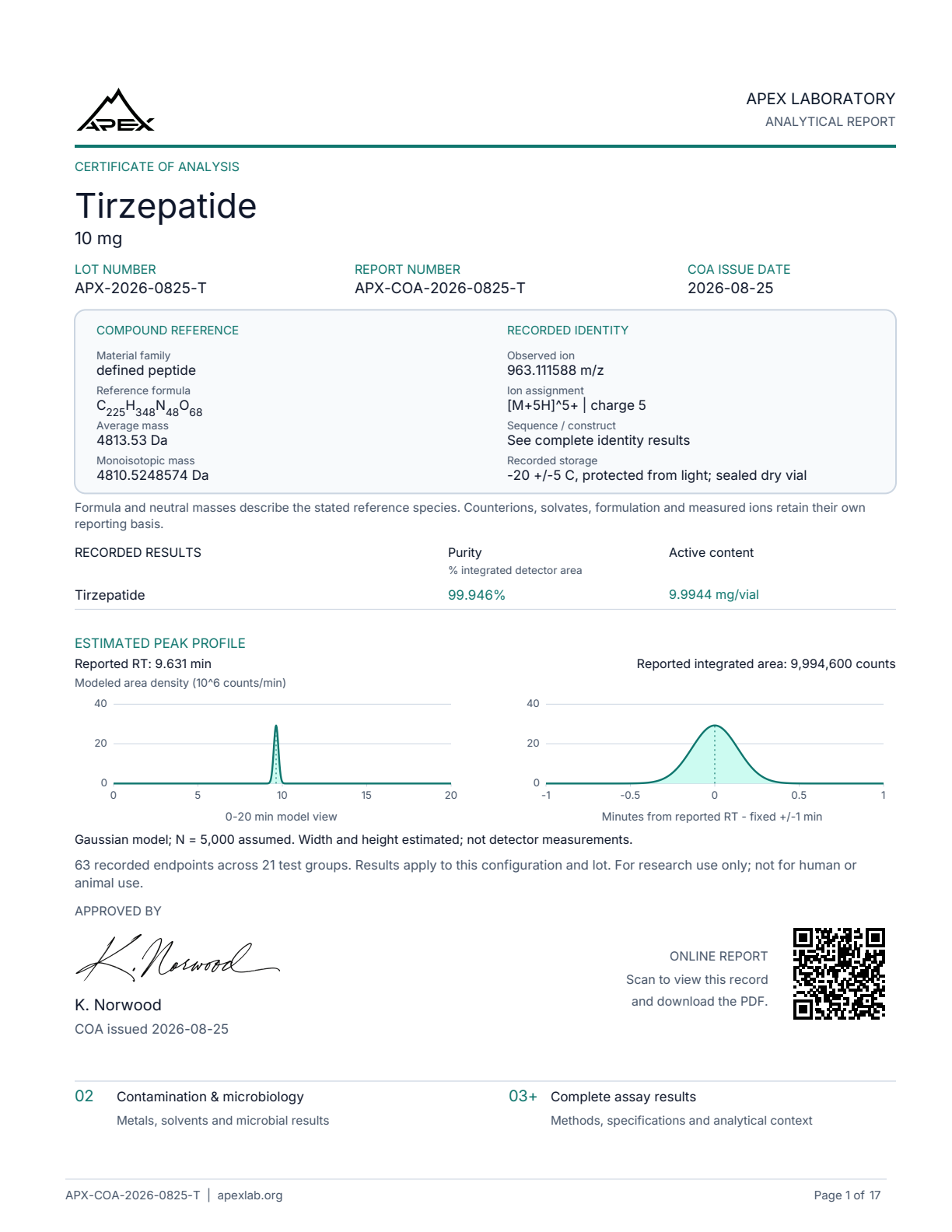
Tirzepatide - 10 mg
- Tirzepatide chromatographic purity
- 99.946 % integrated detector area
- Tirzepatide active content
- 9.9944 mg/vial
- GIPR relative potency
- 100.05 % reference response potency
- GLP1R relative potency
- 100.08 % reference response potency
Chromatographic purity by analyte

About this graph
Recorded scalar results against the stated specification. Each row uses its own labeled scale; purity is detector-area purity, not active-material content.
Measured active content

About this graph
Calibrated active content, concentration or activity compared with the stated same-unit specification. Each row uses its own labeled scale; no conversion from chromatographic purity is made.
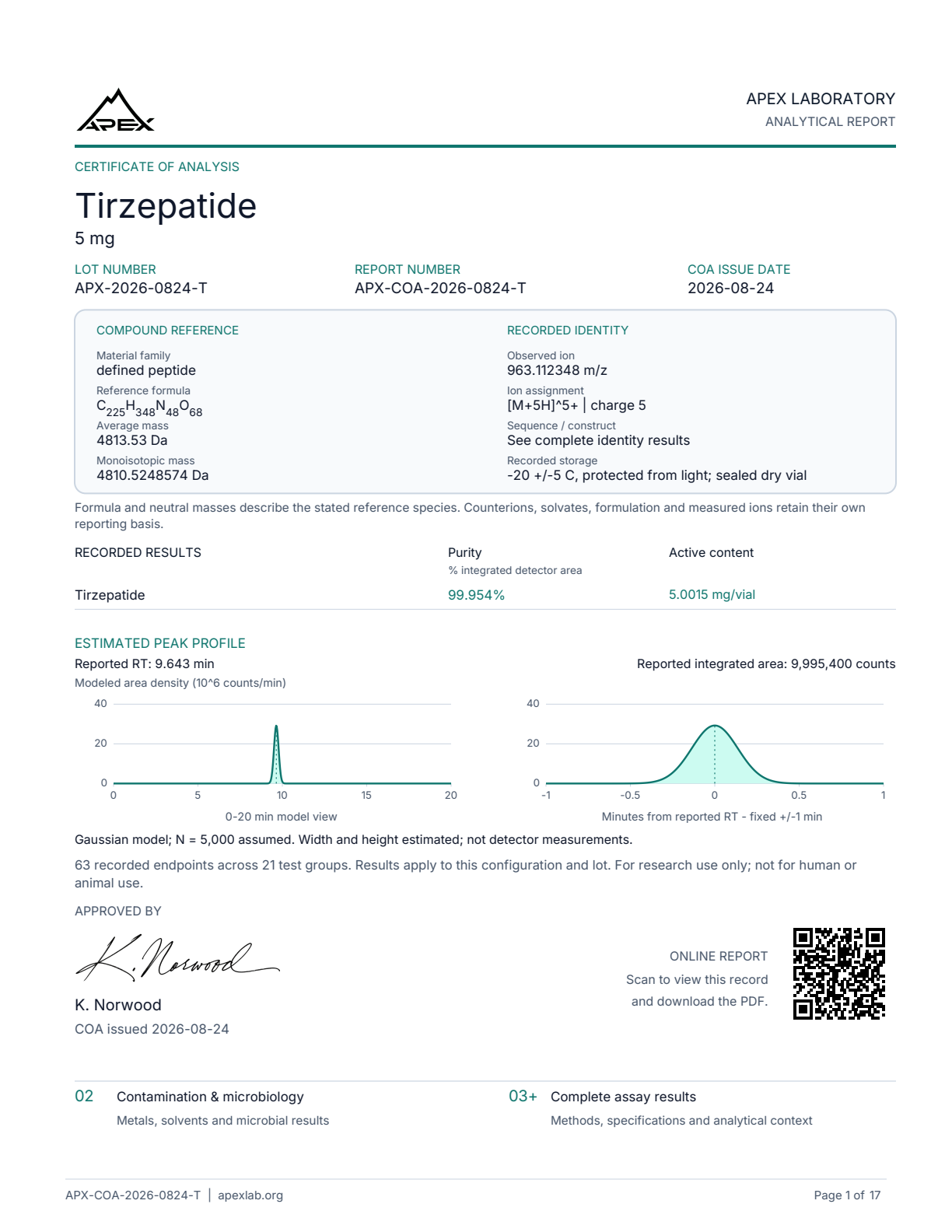
Tirzepatide - 5 mg
- Tirzepatide chromatographic purity
- 99.954 % integrated detector area
- Tirzepatide active content
- 5.0015 mg/vial
- GIPR relative potency
- 100.05 % reference response potency
- GLP1R relative potency
- 100.08 % reference response potency
Chromatographic purity by analyte

About this graph
Recorded scalar results against the stated specification. Each row uses its own labeled scale; purity is detector-area purity, not active-material content.
Measured active content

About this graph
Calibrated active content, concentration or activity compared with the stated same-unit specification. Each row uses its own labeled scale; no conversion from chromatographic purity is made.
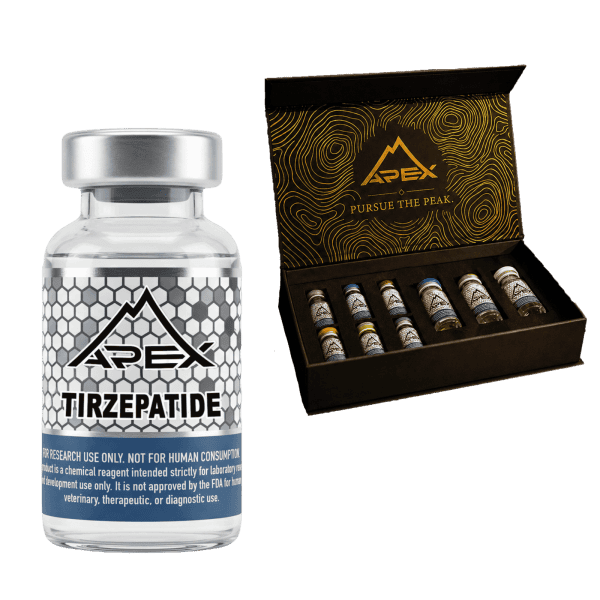
Tirzepatide is a dual gip/glp-1 receptor agonist supplied by Apex Laboratory as a high-purity research peptide intended strictly for in-vitro laboratory research and development applications.
Compound Overview
Tirzepatide is a first-in-class dual incretin receptor agonist that activates both GIP (glucose-dependent insulinotropic polypeptide) and GLP-1 receptors. This dual mechanism of action allows researchers to study the synergistic effects of two key metabolic hormone pathways.
Unlike retatrutide and the glucagon-recruiting triple agonists, tirzepatide is built on the native glucose-dependent insulinotropic polypeptide (GIP) backbone rather than an exendin/GLP-1 scaffold, and it engages only two of the three incretin axes. Its 39-residue chain retains nine residues homologous to human GIP and ten residues common to both GIP and GLP-1, which is the structural basis for its dual-receptor activity. Two non-coded α-aminoisobutyric acid (Aib) residues are incorporated at positions 2 and 13; the Aib at position 2 occupies the dipeptidyl-peptidase-4 (DPP-4) recognition site and confers proteolytic resistance, while the substitution at position 13 supports the GIP-receptor interface. Researchers comparing analogs in the same assay panel should note that this position-2/position-13 modification pattern is distinct from the Aib-2/Aib-20 plus α-methyl-leucine-13 arrangement reported for triple agonists, so backbone identity and modification map should be confirmed by sequence rather than assumed from receptor class.
A defining and frequently under-appreciated feature of tirzepatide is that it does not behave as a balanced dual agonist. In published pharmacology it shows markedly greater engagement of the GIP receptor than of the GLP-1 receptor, and at the GLP-1 receptor it acts as a biased partial agonist that favours Gαs/cAMP signalling over β-arrestin recruitment, with comparatively weak GLP-1-receptor internalisation. This imbalanced, signalling-biased profile is why tirzepatide is a useful tool compound for in-vitro studies that aim to separate cAMP-dependent from β-arrestin-dependent receptor responses, and why receptor-occupancy or reporter-gene results obtained with this peptide should not be generalised from single-receptor GLP-1 analogs. Apex Laboratory supplies tirzepatide as a high-purity lyophilised reagent for such in-vitro receptor-pharmacology, analytical-method, and stability work only; it is not approved for human consumption, veterinary use, or any therapeutic application.
The same C20 fatty-diacid albumin-binding strategy that extends half-life also shapes the chromatographic behaviour observed in the certificate above. The eicosanedioic (C20 diacid) moiety is conjugated to a lysine side chain through a γ-glutamate linker carrying two AEEA (8-amino-3,6-dioxaoctanoic acid) spacer units, making the molecule strongly amphipathic; this lipidation is the principal driver of the late reverse-phase retention time recorded for the current lot (~17.5 min) and of the molecule’s tendency to adsorb to surfaces during handling. For reversed-phase HPLC method development, researchers typically find that the lipid tail dominates retention more than the peptide core, so gradient and ion-pairing conditions optimised for unmodified peptides may require adjustment to resolve tirzepatide and any des-amido or hydrolysed-linker process impurities.
Research Background & Published Literature
Published data from the SURPASS and SURMOUNT clinical trial programs has generated significant interest in dual incretin signaling. Tirzepatide research has expanded understanding of how combined GIP and GLP-1 receptor activation may differ from GLP-1-only approaches in metabolic studies.
Researchers interested in the published literature surrounding this compound can explore the following peer-reviewed resources for additional context on its mechanism of action, signaling pathways, and experimental applications in controlled laboratory settings:
The discovery and early pharmacology of tirzepatide (development code LY3298176) were first detailed by Coskun and colleagues in Molecular Metabolism (2018), which characterised the engineered dual GIP/GLP-1 receptor agonist and its in-vitro and preclinical activity. The imbalanced, biased nature of its receptor engagement was subsequently quantified by Willard and colleagues in JCI Insight (2020), a study that is often cited in laboratory protocols because it provides the cAMP, β-arrestin, and internalisation reference data against which other dual agonists are benchmarked. Structural context followed in 2022, when Zhao and colleagues reported cryo-EM structures in Nature Communications — resolving tirzepatide bound to the GIP and GLP-1 receptors, alongside the triagonist “peptide 20” bound to the GIP, GLP-1 and glucagon receptors — which clarifies how these multi-targeting peptides accommodate the binding pockets of distinct class-B GPCRs and offers a useful reference for researchers modelling receptor-peptide contacts or designing competition assays.
Beyond receptor pharmacology, a recurring theme in the published literature concerns downstream metabolic signalling rather than weight outcomes alone. Samms and colleagues (Molecular Metabolism, 2022) reported that tirzepatide induces a thermogenic-like amino-acid signature in brown adipose tissue in preclinical models, an observation that has prompted in-vitro and ex-vivo investigation into adipocyte and mitochondrial endpoints distinct from the islet-focused work on single GLP-1 agonists. The large SURPASS and SURMOUNT clinical-trial programmes — for example the head-to-head SURPASS-2 comparison versus semaglutide reported by Frías and colleagues in the New England Journal of Medicine (2021), and the SURMOUNT-1 obesity study reported by Jastreboff and colleagues (2022) — are described here strictly as published findings about the compound and as bibliographic context for researchers; they are not usage guidance and do not describe any human application of the research-grade material sold on this page. These trials are noted because the dual-agonist outcomes they report are frequently the reference point researchers cite when justifying mechanistic in-vitro studies of GIP/GLP-1 co-agonism.
Technical Specifications
- Product Name: Tirzepatide
- Classification: Dual GIP/GLP-1 Receptor Agonist
- Structural Description: 39-amino acid dual GIP/GLP-1 receptor agonist
- CAS Number: 2023788-19-2
- Molecular Weight: 4813.45 g/mol
- Purity: ≥99% (verified by HPLC and Mass Spectrometry)
- Physical Form: Lyophilized (freeze-dried) powder
- Intended Use: In-vitro research use only — not for human consumption
Storage, Handling & Stability Guidelines
Store lyophilized Tirzepatide at -20°C. After reconstitution, aliquot and store at 2–8°C. Use reconstituted material within 21 days for optimal stability.
- Minimize time at ambient temperature during handling to preserve compound integrity.
- Avoid moisture exposure by resealing vials promptly after each withdrawal.
- Use appropriate personal protective equipment and follow your institution’s chemical safety protocols at all times.
- Label all aliquots with the compound name, concentration, date of reconstitution, and operator initials for complete traceability.
Quality Assurance & Analytical Verification
Apex Laboratory applies a dual-verification quality protocol to every batch before it enters inventory. Each lot undergoes High-Performance Liquid Chromatography (HPLC) to confirm chromatographic purity and Mass Spectrometry (MS) to verify molecular identity and molecular weight. This two-step analytical process ensures that the material you receive meets our ≥99% purity standard with confirmed molecular integrity. Certificates of Analysis documenting these results are available upon request for your internal quality records.
Frequently Asked Questions
How does Tirzepatide differ from Semaglutide in research?
Tirzepatide activates both GIP and GLP-1 receptors (dual agonist), while Semaglutide activates only GLP-1. This dual mechanism allows researchers to study synergistic incretin signaling not achievable with single-agonist compounds.
What is Tirzepatide’s molecular weight?
Tirzepatide has a molecular weight of approximately 4813.45 g/mol. It is a 39-amino acid peptide with a C-20 fatty diacid moiety.
Why is Tirzepatide described as an imbalanced or biased dual agonist, and why does that matter for receptor research?
Published pharmacology shows that tirzepatide engages the GIP receptor more strongly than the GLP-1 receptor, and at the GLP-1 receptor it behaves as a biased partial agonist that favours Gαs/cAMP signalling over β-arrestin recruitment, with comparatively weak receptor internalisation (Willard et al., JCI Insight 2020). For in-vitro work this means tirzepatide is a useful tool compound when a study needs to separate cAMP-dependent from β-arrestin-dependent responses, and that results obtained with it should not be assumed to match balanced or single-receptor GLP-1 analogs. This is research context only, not usage guidance.
How does Tirzepatide’s structure differ from triple agonists like Retatrutide at the sequence level?
Tirzepatide is a 39-residue peptide built on the native GIP backbone, with non-coded Aib residues at positions 2 and 13 and a C20 fatty-diacid albumin-binding tail attached to a lysine side chain via a γ-glutamate linker bearing two AEEA spacers. Triple agonists in the same class typically use a different modification map (for example Aib at positions 2 and 20 plus α-methyl-leucine at 13) and add glucagon-receptor activity. Because backbone identity and modification positions differ, researchers should confirm sequence and modification map directly rather than inferring them from receptor class.
Why does Tirzepatide elute so late on reversed-phase HPLC, and what does that mean for analytical method development?
The C20 fatty-diacid moiety makes tirzepatide strongly amphipathic, and this lipid tail — not the peptide core — dominates reversed-phase retention, producing the late retention time recorded for the current lot (~17.5 min in our in-house HPLC). Method conditions optimised for unmodified peptides may not adequately resolve tirzepatide or its des-amido and hydrolysed-linker process impurities, so gradient slope and ion-pairing should generally be tuned for a lipidated peptide. The molecule’s amphipathicity also makes it prone to surface adsorption during handling, which can affect recovery in quantitative assays.
Related Research Compounds
Researchers studying dual gip/glp-1 receptor agonist pathways may also be interested in related compounds available from Apex Laboratory, including Semaglutide, Retatrutide, Cagrilintide. Explore our complete research catalog to browse all available peptides, reagents, and laboratory supplies, or visit our About page to learn more about our quality verification process.
Shipping, Packaging & Delivery
All orders placed before 2:00 PM Eastern Standard Time ship the same business day via tracked domestic carriers. Products are packaged in insulated, temperature-appropriate containers designed to preserve compound stability during transit. Upon delivery, transfer all materials to appropriate storage conditions immediately. For time-sensitive research protocols or special delivery requirements, contact our support team in advance to coordinate optimal shipping timing for your laboratory workflow.
Research Use Disclaimer
For in-vitro research use only. Not for human consumption. All products sold by Apex Laboratory are intended exclusively for qualified researchers, accredited laboratories, and educational institutions. Purchasers assume full responsibility for ensuring safe handling, proper storage, and compliance with all applicable federal, state, and local laws, regulations, and institutional policies governing the purchase and use of chemical research reagents.